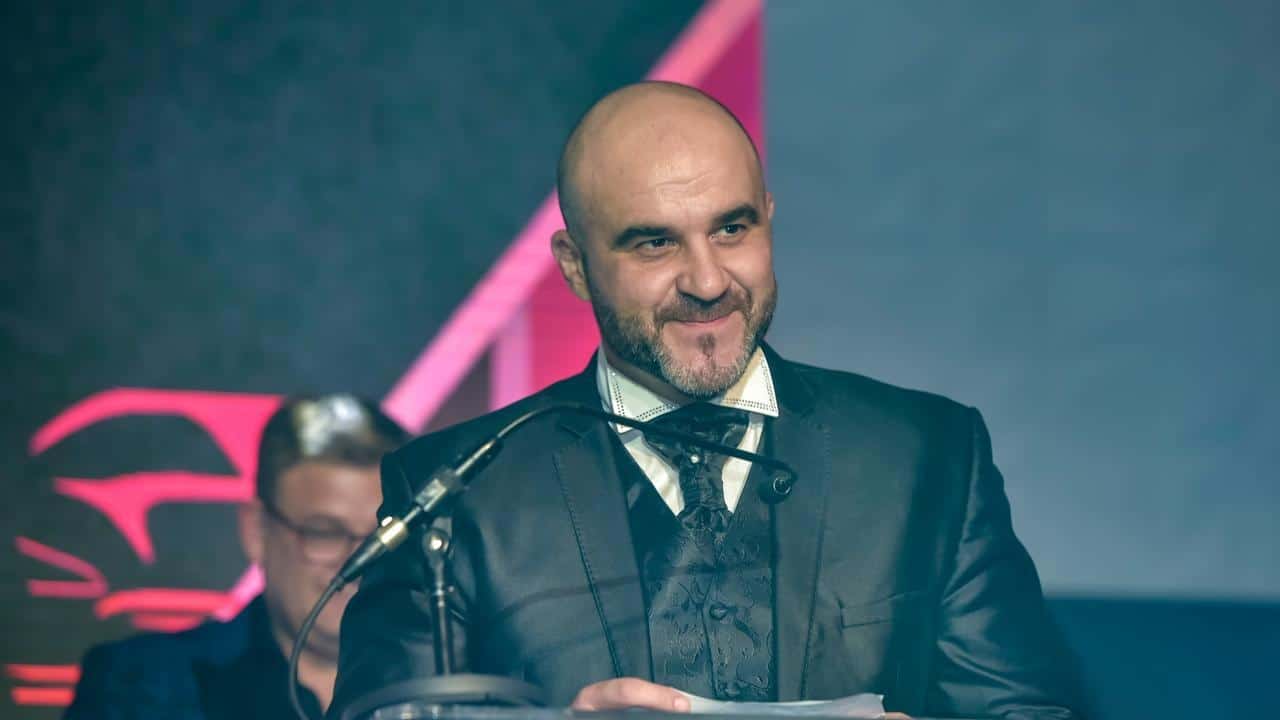
As new Co-Managing Director of Titan Secure, Deon O’Neil is challenging one of the security industry’s most entrenched assumptions: that vehicle theft is inevitable. His vision is to move the conversation from recovering stolen vehicles to preventing theft altogether and making peace of mind the ultimate measure of success.
In South Africa, where vehicle crime has evolved into a sophisticated criminal enterprise, protecting a vehicle requires more than an alarm, a tracking device or the promise of recovery. It requires a fundamental rethink of what vehicle security is supposed to achieve. For Deon O’Neil, Co-Managing Director of Titan Secure, the problem begins with how the industry defines the threat.
“Most security companies still think in terms of individual incidents, one car, one theft,” he observes. “What they miss is that vehicle crime in SA operates like organised logistics.”
Behind individual thefts, he argues, lies an interconnected network of syndicates, sophisticated techniques and established channels for moving stolen vehicles and parts. Confronting that reality demands a different kind of thinking: one that understands the system behind the crime rather than simply responding to its consequences. It is this distinction that underpins O’Neil’s vision for Titan Secure, and his belief that the future of vehicle security belongs to those prepared to prevent the incident, not merely manage its aftermath.
READ: When Going Home Should Not Be a Matter of Survival
Changing the Rules of the Game
For decades, vehicle security has largely operated on a familiar premise: when a vehicle is stolen, technology should help locate and recover it. O’Neil believes this approach addresses the wrong end of the problem. Recovery, after all, does not necessarily mean restoration. A vehicle may be found stripped, damaged or otherwise rendered a significant financial loss to its owner. “Tracking alone doesn’t change the outcome; it just documents it faster,” he says.
His alternative is a prevention-first model in which mechanical, electrical and technological safeguards work together to stop a theft attempt before it succeeds.
Looking ahead, he sees artificial intelligence, driver profiling, vehicle control and early detection playing increasingly important roles in that evolution. Titan Secure’s roadmap includes exploring integrated AI-driven capabilities, with the broader ambition of developing and scaling more robust protection against hijacking.
Intelligence Must Outpace the Threat
The contest between criminals and security providers is increasingly a technological one. As vehicle systems become more connected, both sides gain access to new capabilities and vulnerabilities. O’Neil warns that criminals can share techniques and adapt quickly, forcing security companies to think beyond conventional alarms and reactive monitoring. The real opportunity lies in using data to identify patterns, anticipate emerging threats and close vulnerabilities before they can be exploited widely. For him, the difference between meaningful innovation and technology for its own sake is straightforward: does it actually prevent crime?
“Technology is a force multiplier for whoever adopts it first and most rigorously,” he says firmly.
South Africa’s challenging vehicle security environment, he believes, gives Titan Secure a valuable advantage. Systems operating under sustained pressure from sophisticated theft methods, signal jamming and organised criminal activity face a demanding real-world test. Solutions developed by companies such as Titan Secure under these conditions can offer important lessons for international markets, where prevention-first security may become increasingly relevant.
READ: Vehicle Security in South Africa Has Entered a New Era
From Fear to Freedom
Yet O’Neil’s vision extends beyond the technology itself. It also challenges how the industry communicates with the people it serves. Security businesses have long relied on the threat of loss to persuade consumers to buy protection. O’Neil believes this approach can create anxiety without necessarily building lasting confidence.
“Fear sells a transaction; confidence sells a relationship.”
This distinction reflects a broader leadership philosophy: effective vehicle security should give people the freedom to focus on their lives rather than constantly worry about their vehicles. This principle, he suggests, should influence everything from product development and customer support to communication. The objective is not to amplify fear but to deliver reassurance grounded in meaningful protection.
Making Prevention the Standard
Ask O’Neil what success might look like five years from now, and his answer is revealing. He wants prevention-first vehicle security to become so widely accepted that it no longer needs to be explained as a differentiator. He envisages insurers incorporating real-time prevention data into risk assessments and manufacturers integrating stronger protective measures into vehicles from the outset.
Most provocatively, he believes the industry’s reliance on post-theft tracking could eventually appear as outdated as an alarm that merely makes a noise.
It is an ambitious prediction, but one that captures the direction of his thinking: vehicle security should be judged not by how efficiently it responds when something goes wrong, but by whether it helps stop it from happening at all.
For O’Neil, the future of Titan Secure lies in turning that principle into an expectation. In an industry too often defined by the threats it warns against, his ambition is to build a business defined instead by the risks it prevents and the confidence that prevention makes possible.